8 Jul 2026
Webmaster Compliance Frameworks Enabling Seamless Player Transitions from Instant Play to Elite Poker Offerings
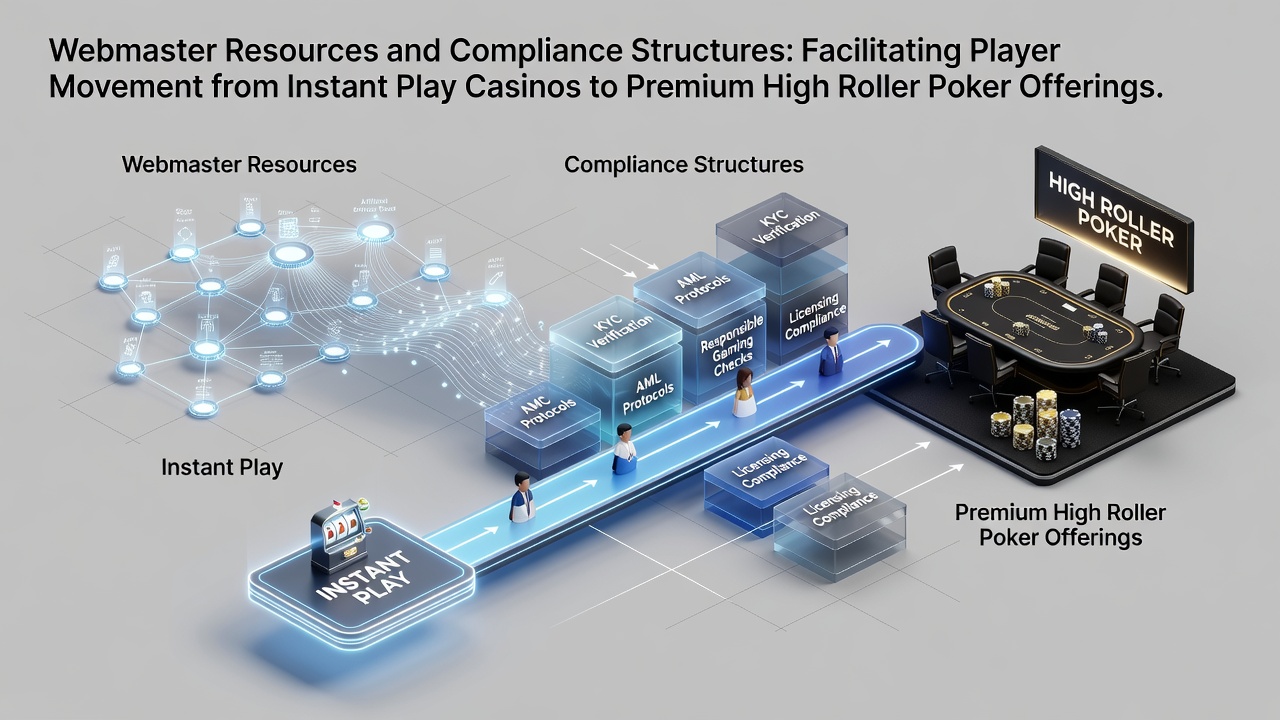
Webmasters managing online casino platforms rely on structured compliance systems to guide players from instant play formats into premium high roller poker environments, and these systems incorporate detailed player agreements along with verification protocols that maintain regulatory alignment across multiple jurisdictions. Data from industry reports indicates that seamless transitions depend on integrated resources such as tracking modules and consent management tools which webmasters deploy to monitor movement without disrupting user flows. Research from academic studies shows that effective frameworks address data privacy requirements while supporting promotional structures that highlight poker offerings to qualified instant play participants.
Core Elements of Compliance Structures
Compliance structures encompass age verification systems, responsible gaming indicators, and regional licensing checks that webmasters integrate into site architectures, and these elements become particularly relevant when directing traffic toward high-stakes poker sections where additional scrutiny applies. Observers note that in July 2026 several regulatory bodies updated their guidelines on cross-tier player movement, requiring enhanced documentation for any promotional links between instant access games and VIP poker rooms. Those who've studied these updates find that webmasters must incorporate real-time compliance checks to avoid penalties, and this process often involves partnerships with third-party verification services that supply standardized APIs for seamless implementation.
Player agreements form another foundational piece, outlining terms for data sharing and eligibility criteria that allow movement from casual instant play sessions to premium offerings, while industry organizations emphasize clear disclosure of bonus structures and wagering conditions during these shifts. Figures from regulatory summaries reveal that non-compliance in this area leads to restricted affiliate activities in key markets, prompting webmasters to adopt template agreements that adapt to different poker room requirements.
Resources Available to Webmasters
Webmasters access specialized dashboards that combine analytics with compliance alerts, enabling them to track how players progress from instant play environments into high roller poker sections without breaching jurisdictional rules. These tools often include customizable widgets for consent collection and automated reporting features that align with standards set by bodies such as the Gaming Regulatory Authority. Experts have observed that such resources reduce administrative burdens, allowing focus on optimizing pathways that connect lower-tier casino traffic to elite poker experiences through targeted banners and menu separators designed for compliance.

Training modules and documentation libraries provide further support, covering topics like geographic restrictions on high roller promotions and integration of poker hand ranking references within compliant site designs. Research indicates that webmasters who utilize these materials report smoother operations, particularly when handling the technical aspects of flash-based instant play redirects that must meet updated security protocols effective from mid-2026 onward. And the ball remains in the webmaster's court to ensure all visual elements and navigation aids comply with evolving standards from organizations across North America and Europe.
Facilitating Player Movement Through Structured Approaches
Player movement strategies rely on layered compliance that verifies eligibility before granting access to premium poker offerings, and webmasters implement these layers using modular code snippets that integrate with existing affiliate networks. Case examples from industry analyses demonstrate how sites successfully channel instant play users toward high roller tables by employing progressive verification steps that unlock advanced features only after initial compliance checks clear. What's significant is the role of regional variations, where Australian and Canadian frameworks require distinct documentation compared to U.S. state-level rules, compelling webmasters to maintain flexible resource sets adaptable to each market.
Promotional graphics and navigation aids serve as practical tools within these structures, guiding users while embedding necessary disclosures about terms and responsible play. Data shows that sites employing such integrated approaches experience higher retention rates during transitions, as players encounter consistent messaging about eligibility and account upgrades. Those managing multiple properties often discover that centralized compliance databases streamline updates across instant play and poker sections alike.
Conclusion
Webmaster resources combined with robust compliance structures create reliable pathways for player advancement from instant play casinos into premium high roller poker environments, supported by verification systems, agreement templates, and reporting mechanisms that keep operations aligned with regulatory expectations. Ongoing developments through 2026 continue to shape these practices, requiring consistent attention to jurisdictional differences and technical integrations that maintain both security and user accessibility.