Unlocking Premium Poker Experiences Through Networked Alliances: The Roles of Creative Assets, Regulatory Standards, and Instant Access Technologies
Devon Franke · Aug 17, 2026

Unlocking Premium Poker Experiences Through Networked Alliances: The Roles of Creative Assets, Regulatory Standards, and Instant Access Technologies
Digital poker environments operate through interconnected partnership networks that link entry-level access points with advanced table options, and these systems rely on coordinated design resources, adherence to established protocols, and immediate-play interfaces to facilitate player movement across tiers. Observers note that such networks emerged from broader affiliate structures in online gaming, where operators collaborate with external promoters to expand reach while maintaining operational consistency across multiple jurisdictions.
Design assets function as visual connectors within these networks, and they include banners, buttons, menus, and graphical separators that direct attention from basic free-play zones toward subscription-based or high-stakes environments. Data from industry reports indicate that standardized visual elements help maintain brand coherence while allowing regional adaptations, and this approach supports transitions without disrupting user flow. Those who analyze affiliate performance records find that well-integrated assets correlate with higher engagement rates in progressive table access models.
Regulatory Frameworks and Their Integration
Compliance rules form the structural backbone that governs how networks operate, and these guidelines encompass player agreements, data protection measures, and promotional restrictions that vary by region. In August 2026, updates from the Malta Gaming Authority reflected ongoing harmonization efforts with European standards, while parallel developments in Canadian provincial oversight and Australian regulatory bodies emphasized clearer disclosure requirements for instant-access features. Researchers tracking these changes report that alignment across borders reduces friction for players moving between free entry points and premium tables, although implementation timelines differ based on local enforcement priorities.
Partnership agreements incorporate these rules at every stage, and they specify how design materials must align with disclosure standards to avoid misleading representations. Evidence from gaming association summaries shows that networks enforcing uniform compliance training for affiliates experience fewer interruptions in player progression pathways. This setup ensures that visual promotions remain accurate while still highlighting pathways to elevated poker experiences.
Instant Platforms as Transition Mechanisms
Instant-access platforms serve as the operational bridge that converts initial free sessions into sustained participation at premium levels, and they encompass browser-based interfaces that eliminate download barriers for rapid entry. These systems integrate directly with partnership dashboards, allowing real-time tracking of player activity as individuals advance through tiers. Figures from academic studies on digital gaming infrastructure reveal that platforms supporting seamless upgrades maintain higher retention across network boundaries compared to segmented alternatives.
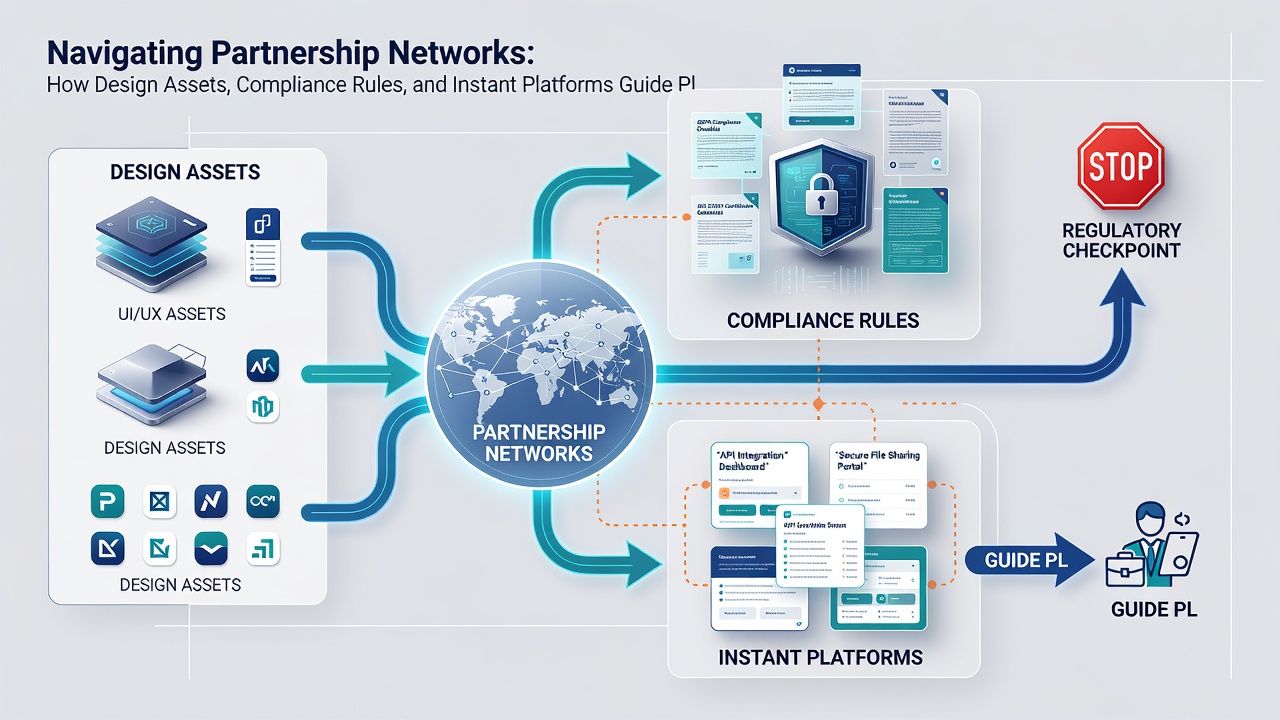
Observers tracking platform evolution note that integration with design assets and compliance layers creates continuous pathways, where users encounter guided prompts based on activity patterns. Regulatory updates in 2026 from bodies such as the New Jersey Division of Gaming Enforcement and the Kahnawake Gaming Commission further standardized requirements for instant features, emphasizing transparent transition mechanics that prevent abrupt barriers between access levels. Those examining usage data observe that networks employing these unified platforms report smoother escalations toward VIP tables without requiring separate verification processes at each step.
Network Navigation in Practice
Players encounter these elements through layered interfaces that combine visual cues with rule-based prompts, and the resulting structure guides movement from complimentary tables to paid premium environments. Industry research from organizations like the European Gaming and Betting Association highlights how coordinated asset deployment across partner sites supports this flow while adhering to regional standards. Compliance documentation outlines permissible promotional language, ensuring that design elements accurately reflect available upgrades without overstating accessibility.
Case examples from operational networks demonstrate that platforms incorporating widget-based tracking tools enable affiliates to monitor progression metrics in real time, and this visibility helps refine connections between free access and elite poker offerings. Data compiled in 2026 across multiple jurisdictions shows consistent patterns where instant interfaces reduce drop-off rates during tier transitions when paired with compliant visual resources.
Conclusion
Partnership networks in digital poker continue to evolve through the combined influence of design assets, regulatory standards, and instant platforms, and these components collectively shape pathways from initial free access to premium table participation. Ongoing regulatory adjustments in 2026 across various regions reinforce the need for integrated approaches that prioritize consistency and transparency. Those monitoring industry metrics note sustained reliance on these elements to maintain functional connections within affiliate ecosystems.