18 May 2026
Tracing Connections in Digital Gambling Networks: The Role of Visual Promotions, Player Agreements, and Assistance Channels in Linking Immediate Poker Sessions to VIP Experiences
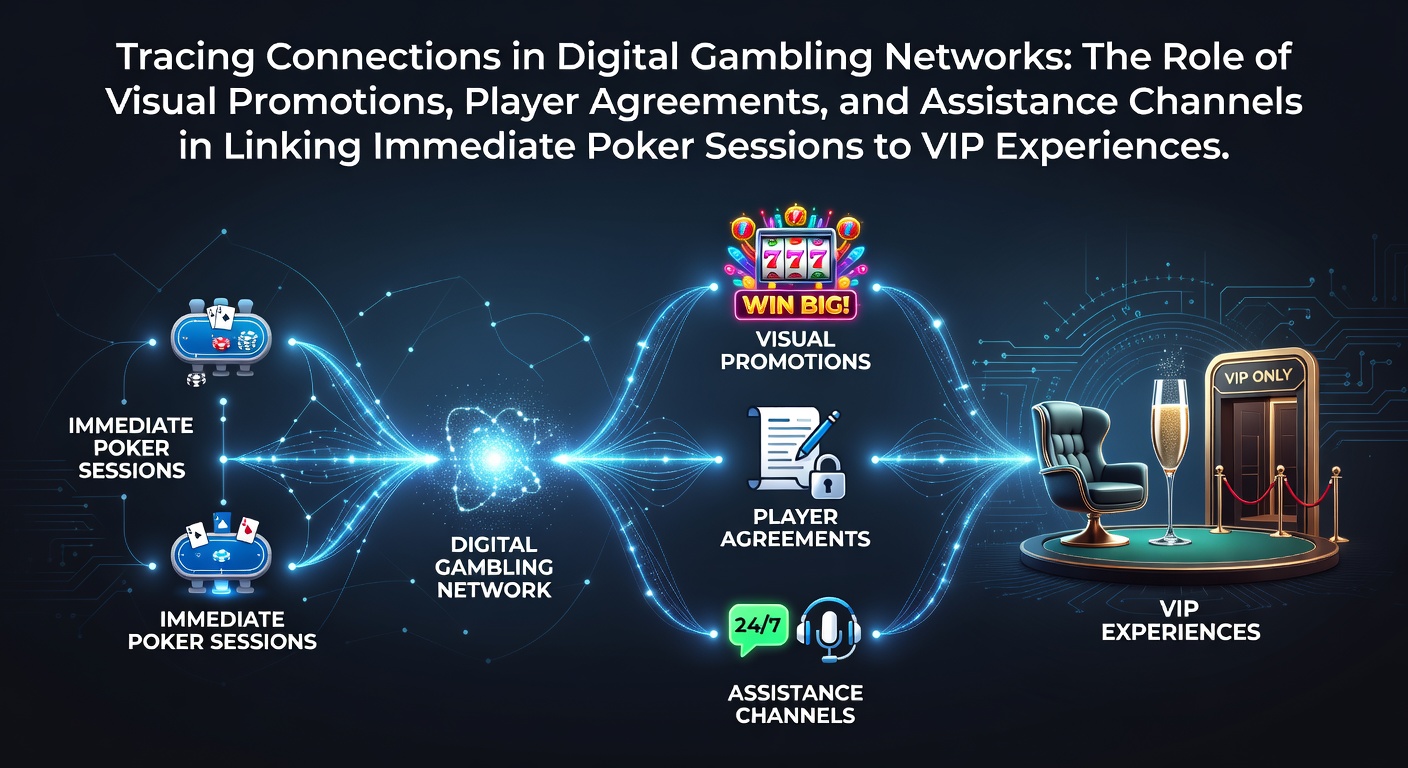
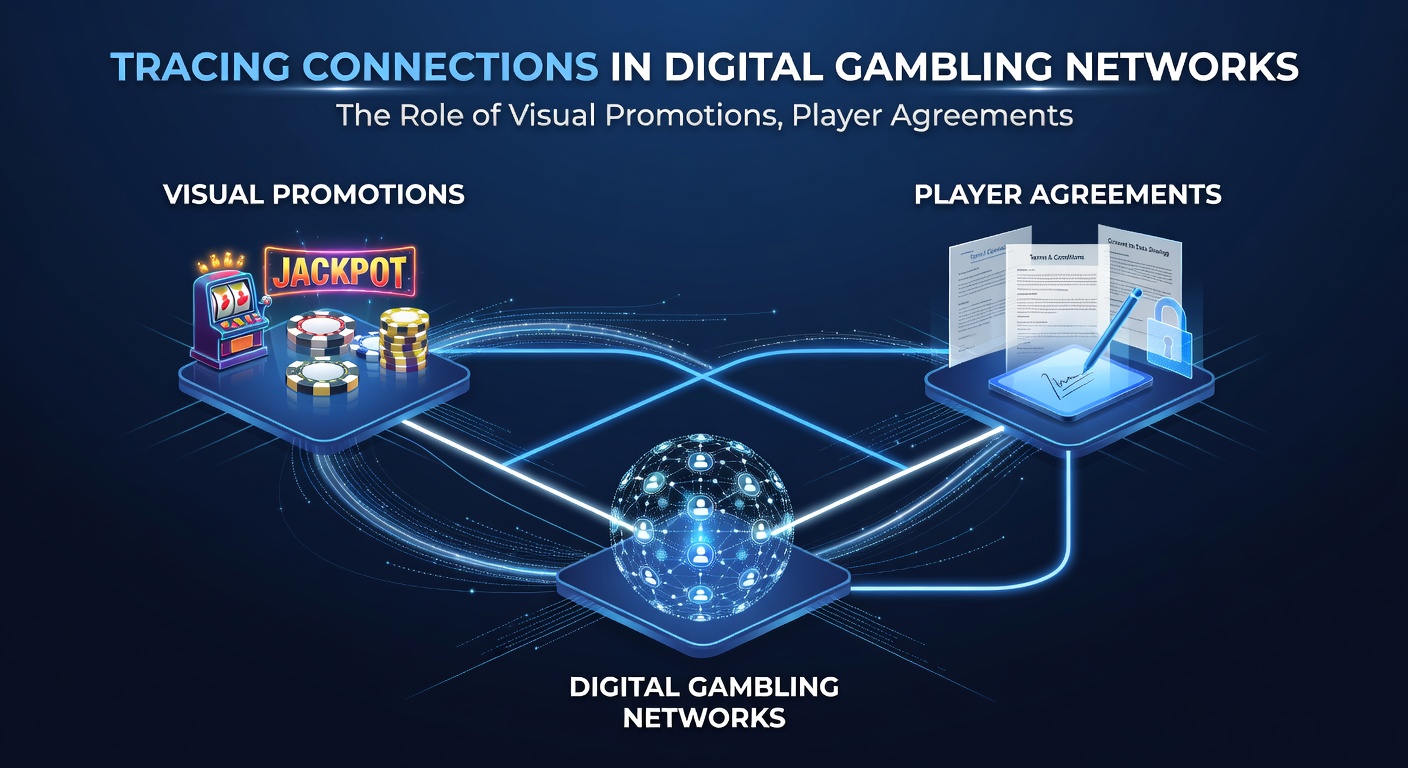
Digital gambling networks operate through interconnected systems where immediate poker sessions transition into broader VIP experiences via structured pathways, and researchers have documented these links through analyses of platform operations across multiple jurisdictions. Visual promotions serve as entry points that direct player attention toward escalating participation levels, while player agreements establish the formal rules governing progression, and assistance channels provide ongoing navigation support that sustains engagement over time.
Pathways Shaped by Visual Promotions
Visual promotions function as directional signals within these networks, guiding users from quick-access poker interfaces toward premium membership structures, and data compiled by the Nevada Gaming Control Board reveals consistent patterns in how banner-style elements and interactive graphics correlate with increased session durations that precede VIP invitations. Platforms deploy these visuals in layered sequences, beginning with prominent displays of instant-play options that embed subtle cues about loyalty rewards, and this arrangement allows operators to maintain traffic flow without abrupt shifts in user experience.
Studies from the University of Nevada, Las Vegas International Gaming Institute indicate that color schemes and motion elements in promotions align with psychological triggers that encourage repeated logins, while the placement of these elements near poker tables creates direct visual bridges to tiered benefits such as exclusive tournaments and personalized account managers. Observers note that networks updated their promotional frameworks ahead of projected expansions in May 2026, incorporating dynamic banners that adjust based on real-time session data to highlight pathways into higher-status environments.
Player Agreements as Structural Connectors
Player agreements codify the conditions under which instant sessions convert into VIP privileges, and these documents typically outline eligibility criteria, point accumulation methods, and redemption processes that link short-term play with long-term status upgrades. Content within these agreements specifies how participation metrics from poker rooms feed into centralized tracking systems, creating a documented route that operators follow when extending invitations to premium levels.
Regulatory filings from the New Jersey Division of Gaming Enforcement show that standardized clauses in agreements require clear disclosure of progression mechanics, and this transparency requirement helps maintain network integrity while enabling seamless movement between casual and elite tiers. Analysts have tracked how revisions to agreement language in recent years emphasize integrated play across devices, allowing immediate sessions on mobile platforms to accumulate toward the same VIP thresholds as desktop activity.
Assistance Channels and Sustained Transitions
Assistance channels operate as active facilitators that resolve friction points during the shift from immediate poker to VIP participation, and support teams equipped with access to player histories can direct users toward appropriate agreement terms or promotional opportunities at key moments. Live chat interfaces and dedicated account representatives often reference visual promotion elements to illustrate available upgrades, thereby reinforcing the connections already established through earlier network touchpoints.
Industry reports compiled by the Canadian Gaming Association document that response times and resolution rates in assistance channels correlate with higher retention rates among players moving into VIP categories, and these channels frequently reference specific agreement sections to clarify bonus structures or play requirements. Networks maintain specialized training protocols for support staff to recognize patterns indicating readiness for tier advancement, which helps preserve continuity between quick sessions and extended premium access.
Integrated Network Dynamics Across Regions
Cross-jurisdictional comparisons reveal variations in how visual promotions, agreements, and assistance channels interact, and European regulatory summaries from the Malta Gaming Authority highlight differing disclosure standards that affect the visibility of progression pathways. Australian research institutions have examined similar frameworks, noting that integrated systems allow real-time adjustments to promotional content based on agreement compliance data gathered through assistance interactions.
Platform operators coordinate these elements so that immediate poker activity generates traceable signals that assistance teams can act upon when guiding users toward VIP enrollment, and this coordination relies on backend analytics that align visual cues with contractual milestones. Figures released by regional gaming bodies demonstrate measurable increases in cross-tier movement when all three components function in sequence rather than isolation.
Conclusion
Tracing these connections demonstrates that visual promotions initiate awareness, player agreements formalize the rules of advancement, and assistance channels maintain momentum throughout the transition from instant poker sessions to VIP experiences within digital gambling networks. The interplay among these components creates traceable routes supported by regulatory oversight and operational data from multiple regions, and continued examination of these links provides insight into how networks sustain player progression over extended periods.