24 Jun 2026
Technical Approaches to Widget-Based Connections Between Instant-Play Casinos, Poker Affiliates, and Player Protocols
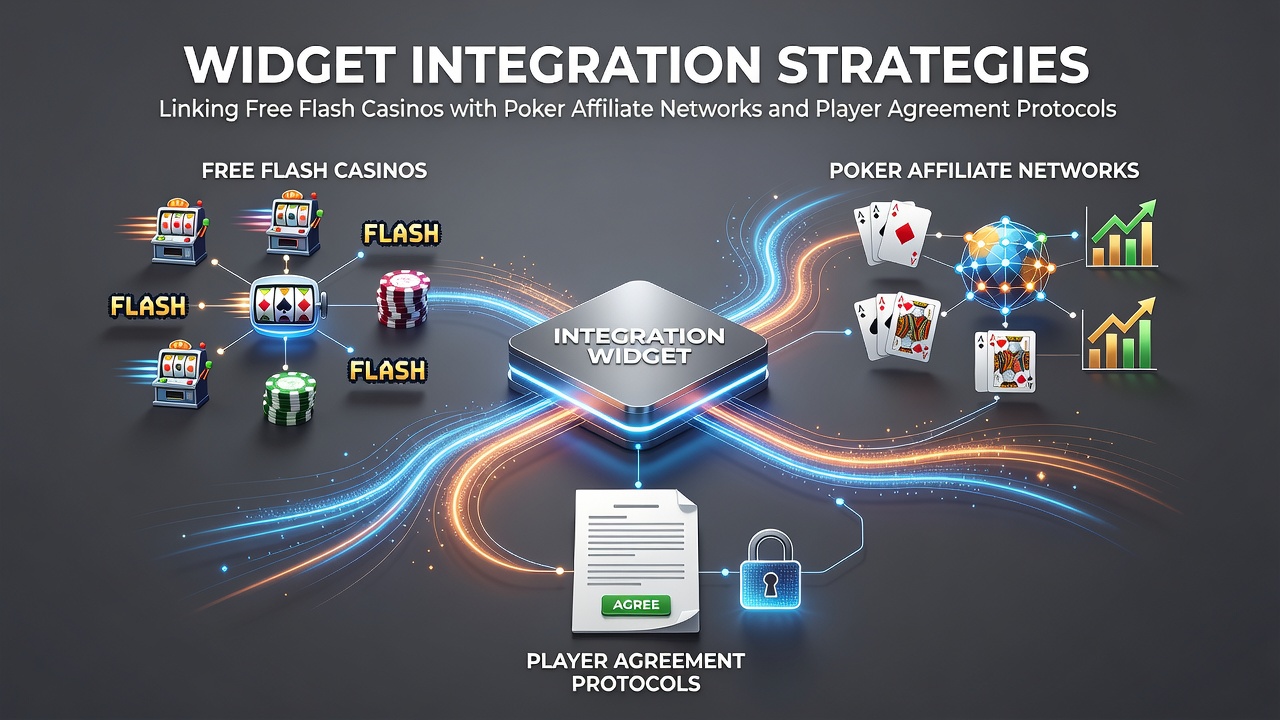
Widget tools serve as modular code elements that embed directly into casino platforms and allow seamless data exchange between free flash casino interfaces and external poker affiliate networks while maintaining compliance with player agreement protocols. Observers note that these components handle real-time updates on player status, bonus eligibility, and session tracking without requiring full page reloads. Research indicates that such integration reduces latency in affiliate commission calculations and supports automated enforcement of terms outlined in player agreements.
Core Components of Widget Architecture
Developers build widgets using JavaScript libraries combined with API endpoints that connect flash-based instant-play environments to centralized affiliate dashboards. These tools pull data on game outcomes, deposit activity, and user retention metrics then push it toward poker network servers for commission processing. Studies from industry groups show that standardized widget protocols adopted in early 2025 improved cross-platform compatibility across multiple casino operators and affiliate programs.
Player agreement protocols integrate into widget logic through conditional checks that verify consent flags before any data transfer occurs. When a user accepts terms during registration the widget activates tracking modules that record session length and game preferences. This setup ensures that affiliate payouts align with documented player activity while respecting regional data protection requirements.
Linking Free Flash Casinos to Poker Networks
Free flash casino platforms utilize widgets to display live poker tournament feeds and affiliate referral banners that direct traffic toward partner networks. The integration occurs through secure token exchanges that match player identifiers across systems without exposing personal details. Data from Canadian gaming associations reveals that widget-driven referrals accounted for measurable increases in poker network sign-ups during the first half of 2026.
Affiliate networks receive aggregated performance reports generated by these widgets including click-through rates and conversion statistics. Such reports help operators adjust promotional strategies and maintain accurate revenue sharing based on verified player agreements. What's interesting is how widget updates in June 2026 introduced enhanced encryption layers that further secured data flows between flash interfaces and poker platforms.
Implementation Steps for Effective Integration
- Map existing player agreement clauses to widget trigger events such as bonus claims or session timeouts.
- Configure API keys that authenticate data requests between the flash casino backend and the poker affiliate server cluster.
- Test widget responsiveness across desktop and mobile browsers to maintain consistent user experiences during instant-play sessions.
- Monitor compliance logs that record each data exchange against the terms specified in player protocols.
Operators often deploy these widgets through content management systems that support modular insertions. One case documented by European gaming researchers involved a mid-sized flash casino that reduced manual reporting tasks by 40 percent after widget deployment. The system automatically flagged discrepancies between recorded sessions and affiliate claims which streamlined dispute resolution processes.

Security and Compliance Considerations
Security protocols embedded in widgets encrypt player data during transit to poker affiliate endpoints and verify digital signatures on agreement documents. Regulatory bodies in Australia and several US states require periodic audits of these systems to confirm that tracking remains within approved boundaries. Figures released by the European Gaming and Betting Association indicate rising adoption of such audited widgets among operators seeking to expand affiliate partnerships.
Widget developers incorporate fallback mechanisms that disable tracking if a player revokes consent through account settings. This feature prevents unauthorized data sharing and supports ongoing adherence to evolving agreement standards. And because flash technology phases out in many regions the widgets now include HTML5 compatibility layers that preserve functionality during platform migrations.
Future Developments in Widget Connectivity
Industry reports project further refinements to widget APIs that will support real-time poker hand data sharing with affiliate dashboards. These enhancements aim to improve transparency in commission structures while maintaining strict separation between casino operations and network management. Observers note that pilot programs scheduled for late 2026 will test multi-jurisdiction compliance features within single widget instances.
Conclusion
Widget integration continues to evolve as a practical method for connecting free flash casinos with poker affiliate networks under established player agreement frameworks. Technical standards developed through collaborative efforts among operators and regulators provide structured pathways for data exchange and revenue attribution. Continued monitoring of these systems will determine their long-term role in digital gambling infrastructure.