Mapping Digital Gambling Pathways: How Affiliate Tools, Policy Documents, and Assistance Options Bridge Free Play Options to Exclusive High-Stakes Tables
Jordan Vogel · Aug 19, 2026
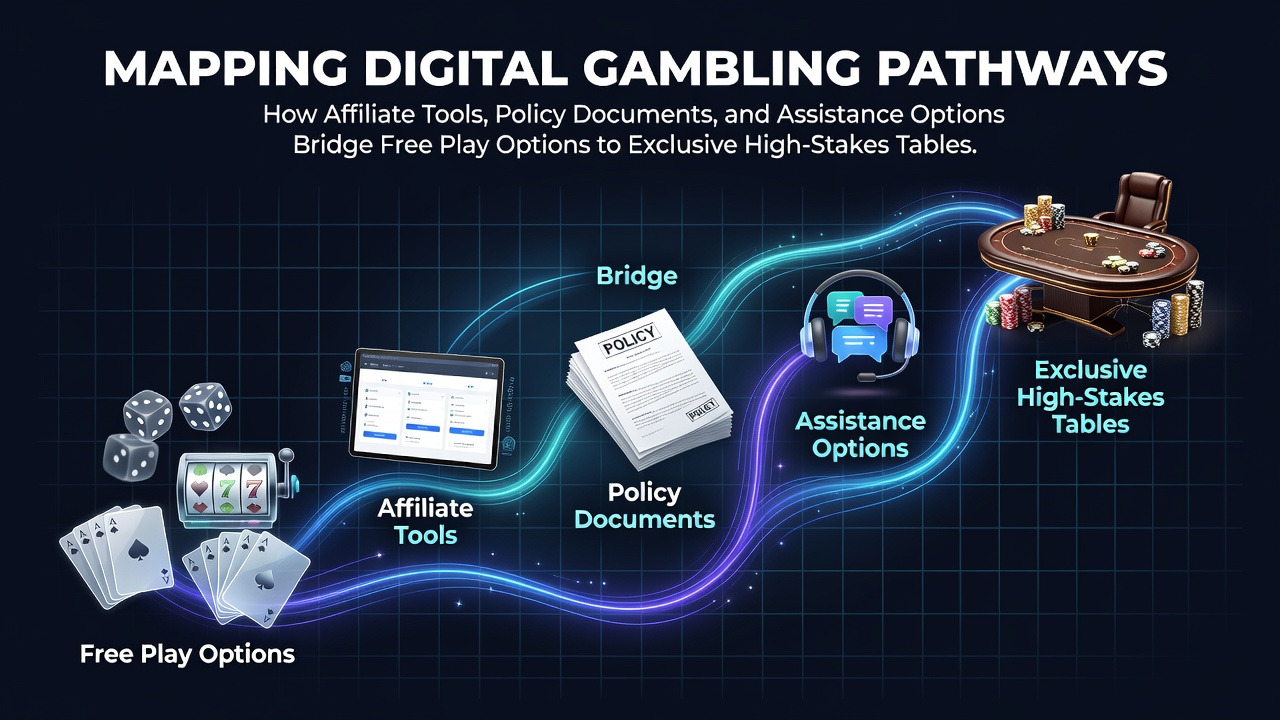
Mapping Digital Gambling Pathways: How Affiliate Tools, Policy Documents, and Assistance Options Bridge Free Play Options to Exclusive High-Stakes Tables
Digital gambling environments feature structured pathways that connect entry-level free play options with premium high-stakes tables, and affiliate tools along with policy documents and assistance channels form the primary mechanisms that facilitate these transitions. Observers note that these elements operate together to guide user progression while maintaining compliance frameworks established by various regulatory bodies.
Affiliate Tools as Navigation Systems
Affiliate platforms deploy tracking links, promotional banners, and analytics dashboards that direct users from introductory free play sections toward more advanced offerings, and data collected through these systems reveals patterns in player movement across different game tiers. In August 2026, reports from the Ontario Lottery and Gaming Corporation indicated that affiliate-driven traffic accounted for measurable increases in account upgrades from basic to premium levels across multiple licensed operators. Those who study these networks find that cookie-based tracking combined with personalized email sequences often highlights exclusive table access as a natural next step once certain play thresholds are met.
Webmasters integrate these tools into content sites where visitors encounter comparisons of free spin bonuses alongside information about loyalty programs that unlock higher betting limits, while the underlying software monitors engagement metrics to trigger targeted offers. Researchers at the University of Sydney have documented how such systems create measurable bridges between casual entry points and VIP environments without requiring direct operator intervention at every stage.
Policy Documents Defining Transition Rules
Terms of service and bonus policies establish the formal criteria that determine when free play participants qualify for high-stakes invitations, and these documents typically outline wagering requirements, account verification steps, and activity thresholds that must be satisfied. Legal teams draft these sections to align with licensing conditions imposed by authorities such as the Malta Gaming Authority, which updated its player protection guidelines in mid-2026 to emphasize clearer disclosure of progression pathways. Readers often encounter clauses specifying how accumulated free play activity converts into loyalty points redeemable at exclusive tables, and such language appears consistently across operator agreements.
One study released by the European Gaming and Betting Association examined policy language from operators in several jurisdictions and found that explicit references to VIP tier advancement appear in over 70 percent of reviewed documents, creating standardized expectations for users moving through the system. These texts also detail data privacy measures that govern how affiliate platforms share player information during the transition process.
Assistance Channels Supporting Player Advancement
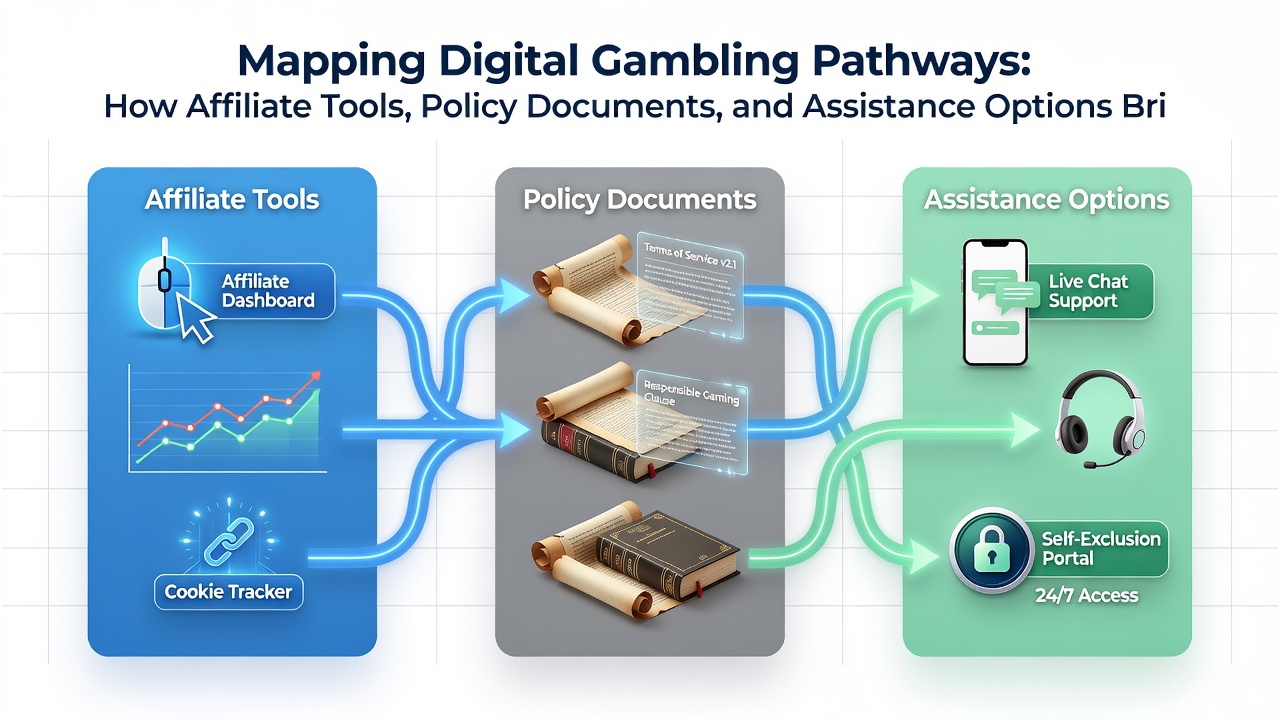
Live chat services, email support teams, and dedicated account managers provide real-time guidance that helps users understand eligibility for premium tables, and these channels frequently reference both affiliate tracking data and policy requirements during conversations. Support staff receive training on regional regulations to ensure advice remains consistent with local standards, whether users operate under frameworks from the Nevada Gaming Control Board or Australian state commissions. Figures from industry reports show that operators maintaining 24-hour multilingual assistance experience higher rates of successful tier transitions compared with those offering limited support hours.
Players who initiate contact through these options receive customized explanations of current promotions that bridge free play to high-stakes environments, while automated ticketing systems log interactions to refine future recommendations. Data indicates that assistance interactions peak during promotional periods when new free play campaigns launch, suggesting these channels serve as active connectors rather than passive resources.
Integrated Pathways in Practice
Case examples from licensed operators demonstrate how the three components function sequentially, beginning with affiliate-generated links that introduce free play features, followed by policy documents that set advancement conditions, and concluding with assistance interventions that complete the move to exclusive tables. In one documented instance involving a European operator, affiliate analytics flagged users who reached specific free spin volumes, policy systems automatically flagged their accounts for review, and support representatives then extended personalized high-stakes invitations within 48 hours. Such sequences rely on backend integrations that maintain audit trails required by oversight agencies.
Geographic variations appear in implementation details, with North American platforms emphasizing responsible gaming checkpoints during transitions while Asian markets focus more on rapid verification processes. August 2026 regulatory updates across multiple regions required operators to publish clearer pathway summaries within both affiliate portals and player-facing policy pages, increasing transparency around how free play activity leads to premium access.
Conclusion
The combination of affiliate tools, policy documents, and assistance options creates measurable connections between entry-level free play and exclusive high-stakes tables in digital gambling environments. Regulatory bodies continue to monitor these mechanisms to ensure compliance, while operators refine integrations to support efficient user progression across jurisdictions. Available data from academic and governmental sources confirms that these pathways operate as structured systems rather than random user experiences.