22 Jun 2026
Interconnections of Flash Gaming Technologies, Affiliate Support Systems, and Regulatory Oversight in Online Poker
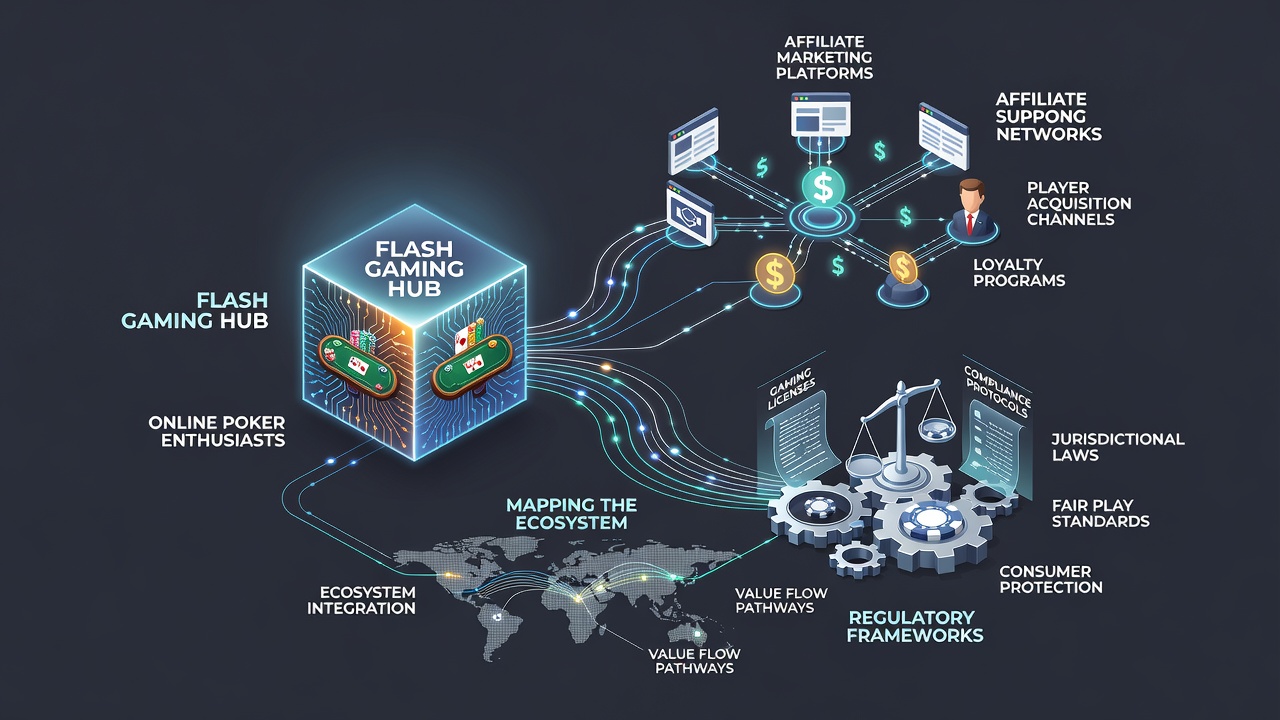
Flash gaming platforms continue to serve as entry points for many online poker participants even as browser technologies evolve, and these systems connect directly with affiliate support networks that handle player acquisition and retention through structured commission models. Regulatory frameworks from multiple jurisdictions shape how these elements interact, particularly for poker enthusiasts who move between instant-play environments and full-featured sites. Data from industry reports indicates that flash-based poker rooms maintain compatibility with older devices while integrating tracking pixels and referral links supplied by affiliate partners.
Affiliate networks operate by distributing promotional materials such as banners and referral codes that direct traffic to licensed poker operators, and these arrangements require compliance with advertising standards set by bodies like the Nevada Gaming Control Board. In practice, operators must verify that affiliate-driven promotions disclose bonus terms accurately, while flash interfaces load game clients without additional downloads. Observers note that this setup reduces friction for new users entering poker tournaments or cash games during peak hours.
Flash Gaming Components in Poker Ecosystems
Flash technology enables browser-based poker clients to render tables, chip animations, and real-time hand histories without separate software installations, and developers maintain these platforms to support regions where download restrictions apply. Studies from gaming analytics firms show that flash sessions often convert into longer play periods when paired with affiliate loyalty programs that track player activity across multiple sites. Regulatory requirements in places like Pennsylvania demand that flash poker software undergo testing for fairness algorithms before deployment, ensuring random number generators meet certified standards.
Operators update flash poker rooms periodically to align with security patches, and affiliate support teams receive updated creative assets to promote these refreshed interfaces. Those who have examined traffic patterns find that flash gaming accounts for a measurable share of mobile poker traffic in markets where app stores impose strict gambling policies. This approach allows enthusiasts to join low-stakes tables or satellite events quickly while remaining within approved jurisdictional boundaries.
Affiliate Networks and Player Pathway Management
Affiliate support networks connect poker operators with webmasters and content creators through performance-based agreements that reward successful referrals, and these networks supply dashboards showing conversion rates from flash landing pages. Compliance teams review affiliate marketing copy to prevent misleading claims about poker odds or bonus values, following guidelines issued by authorities such as iGaming Ontario. Figures reveal that structured affiliate programs track player lifetime value, allowing networks to allocate resources toward high-retention poker segments.
Support channels within these networks include dedicated account managers who assist affiliates with integration of tracking codes and reporting tools, and these resources help maintain transparency when players transition from flash demos to real-money poker. Research indicates that networks operating across borders coordinate with multiple regulators to ensure promotional activities respect local advertising rules. Participants often discover that affiliate-driven bonuses include specific wagering requirements tied to poker rake contributions rather than slot play alone.
Regulatory Frameworks Shaping the Connections
Regulatory bodies establish licensing conditions that govern how flash gaming interfaces interface with affiliate data collection practices, and these rules frequently address player age verification and responsible gaming prompts displayed during sessions. As of June 2026, several jurisdictions have introduced updated reporting mandates requiring operators to submit affiliate performance data alongside flash client usage statistics. The Australian Communications and Media Authority oversees similar requirements for operators targeting Australian poker players, emphasizing clear separation between promotional content and game interfaces.
Enforcement actions demonstrate that non-compliant affiliate promotions can result in fines or license reviews, prompting networks to implement automated checks on creative materials before distribution. Those who monitor regulatory developments observe that frameworks increasingly focus on cross-border data flows between flash servers and affiliate analytics platforms. Poker enthusiasts benefit from standardized disclosure practices that clarify terms for welcome bonuses and ongoing promotions sourced through affiliate channels.
Integration Patterns Among Stakeholders
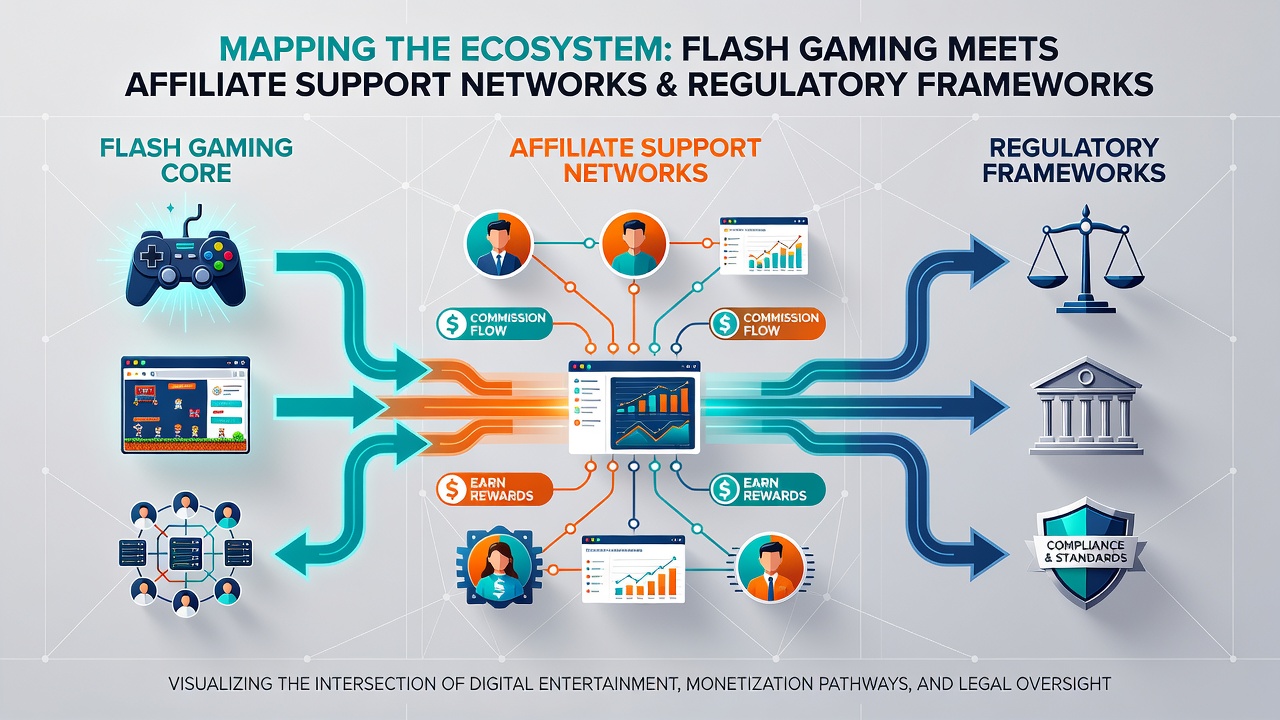
Flash gaming meets affiliate support when referral links embed directly into poker client loading sequences, allowing networks to attribute sessions accurately while operators satisfy audit trails demanded by regulators. Industry organizations such as the European Gaming and Betting Association have published position papers outlining best practices for maintaining these links without compromising user privacy standards. Data shows coordinated updates between flash developers and affiliate platforms help reduce downtime during regulatory inspections or software certifications.
Case examples include operators who redesigned flash poker lobbies to include affiliate-specific banners that comply with placement restrictions in certain markets, and these changes reflect ongoing dialogue between technical teams and compliance officers. Researchers have documented how regulatory sandboxes in select regions permit controlled testing of new affiliate tracking methods within flash environments before wider rollout. Such patterns illustrate the layered dependencies that define the broader ecosystem for online poker participants.
Conclusion
The mapping of flash gaming technologies with affiliate support networks and regulatory frameworks reveals a system built on technical compatibility, performance tracking, and jurisdictional compliance requirements. Stakeholders continue to adjust interfaces, agreements, and oversight procedures to accommodate evolving poker participation patterns through 2026 and beyond. This structure supports player access while enforcing standards across the connected components.