1 Jun 2026
Interconnected Systems of Instant Play Features and Compliance Rules in Webmaster Collaborations for Poker Networks

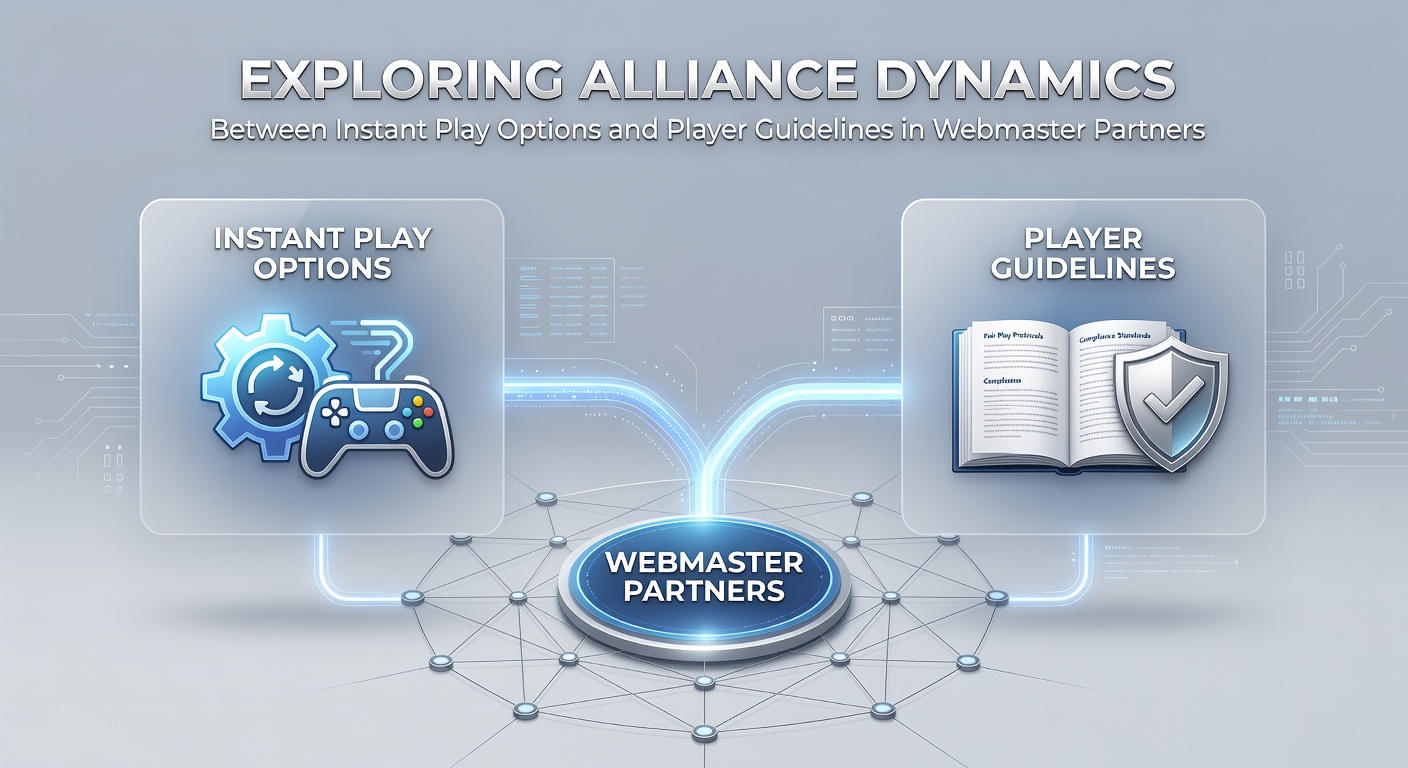
Webmaster partnerships within poker networks rely on precise coordination between instant play options and established player guidelines, which shape how affiliates integrate libraries of games with user access points. These arrangements allow networks to expand reach through promotional tools while maintaining consistent standards across platforms. Data from industry reports shows that such integrations support seamless transitions for users between free play modes and full access features.
Core Elements of Instant Play Integration
Instant play mechanisms enable direct browser access to poker sessions without software downloads, and webmasters incorporate these options into affiliate sites through coded links and banners. Researchers at various academic institutions have noted that this approach reduces barriers for new participants, yet it requires alignment with player guidelines that specify age verification, deposit limits, and responsible gaming protocols. Networks operating across multiple jurisdictions apply these rules uniformly, which helps maintain operational consistency even as traffic patterns shift during promotional periods.
Player guidelines typically outline account creation steps, bonus eligibility criteria, and withdrawal procedures, all of which webmasters must reference accurately in their marketing materials. When instant play pathways connect to VIP reward systems, the guidelines dictate how progression tracking occurs from initial sessions onward. Observers note that clear documentation of these elements prevents mismatches between advertised features and actual user experiences.
Role of Guidelines in Partnership Agreements
Agreements between poker networks and webmasters establish frameworks that link instant access features with compliance requirements. These contracts detail how affiliates present terms related to gameplay, data privacy, and financial transactions. Evidence from regulatory filings indicates that networks update these agreements periodically to reflect changes in technology and oversight standards.
In June 2026, several poker platforms introduced revised guideline templates that emphasize transparent disclosure of instant play session durations and associated reward multipliers. Webmasters who adopted these updates reported smoother integration processes with existing banner campaigns. The adjustments addressed how free-play pathways transition into paid environments while preserving the integrity of VIP tracking systems.
Technical Pathways Between Features and Standards
Technical implementations often involve API connections that sync instant play libraries with backend compliance databases. This setup allows real-time checks against player guidelines during account logins and game launches. Those who manage affiliate sites frequently use widget tools to display updated terms alongside game interfaces, ensuring visitors encounter guideline information before engaging with poker content.
Studies conducted by research groups in North America and Europe reveal that networks employing such synchronized systems experience fewer compliance incidents. The connections extend to visual promotions, where banners highlight instant options while directing users to full guideline pages hosted by the primary network.
Regional Variations in Implementation
Different regions apply distinct approaches to these alliances. In Australia, oversight bodies such as the Australian Communications and Media Authority track how affiliates handle instant play promotions within licensed networks, with specific attention to guideline adherence during cross-border traffic flows. Australian Communications and Media Authority reports document patterns in user engagement tied to these promotional structures.
Meanwhile, Canadian provincial regulators examine how webmaster partnerships incorporate player protection measures into instant access models. Data shared through industry associations shows that standardized guideline language across networks supports broader adoption of instant play features without compromising oversight requirements. Webmasters operating in these environments often reference case examples from multiple jurisdictions to refine their site configurations.
Support Channels and Ongoing Adjustments
Partnerships benefit from dedicated support channels that assist webmasters in aligning instant play implementations with evolving player guidelines. These channels provide documentation updates, code snippets for banner integration, and clarification on rule interpretations. Networks maintain records of these interactions to demonstrate consistent application of standards during external reviews.
One documented case involved a webmaster network that adjusted its instant play portals after receiving guidance on guideline updates related to session timers and reward eligibility. The changes resulted in improved synchronization between promotional content and backend compliance systems, as confirmed through subsequent performance metrics.
Conclusion
Connections between instant play options and player guidelines continue to define webmaster partnerships in poker networks through structured agreements, technical linkages, and regional oversight practices. These elements work together to support scalable affiliate operations while meeting established compliance benchmarks. Continued coordination in these areas shapes how networks and their partners present poker content to wider audiences.