6 Jul 2026
Design Assets and Legal Agreements: Pathways from Casual Play to Elite Gaming Programs
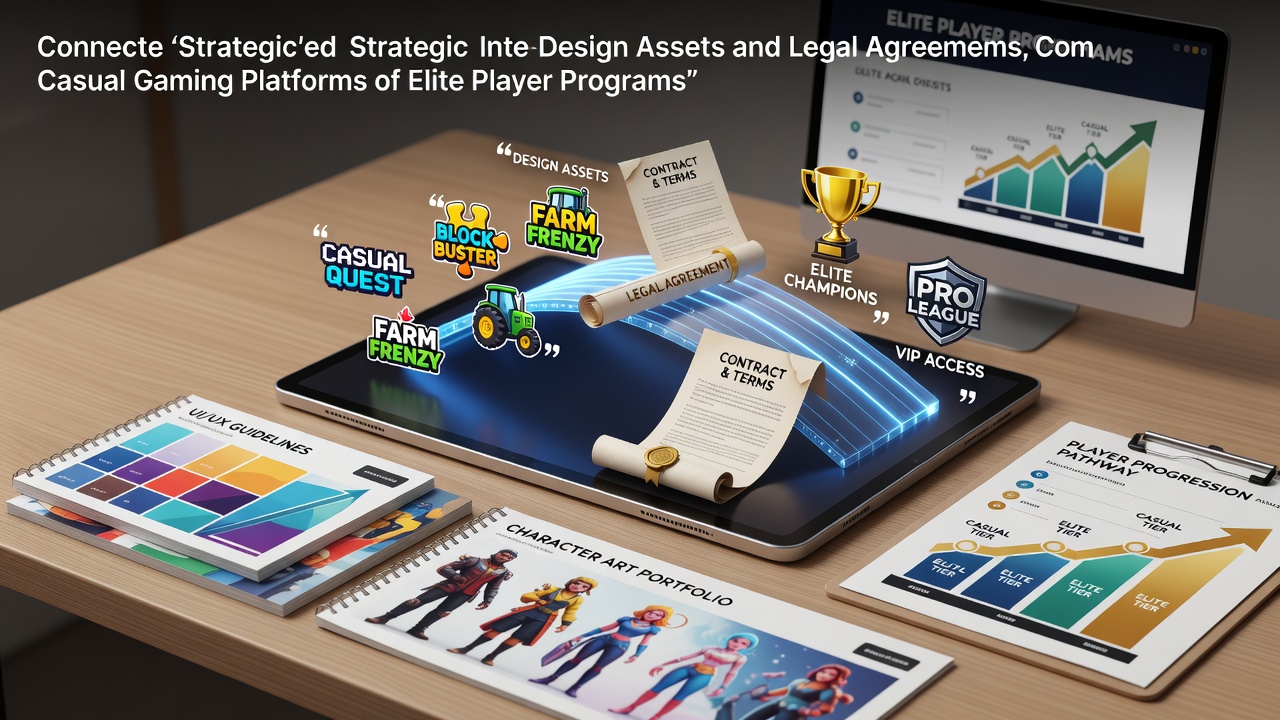
Design assets such as banners, buttons, and interactive graphics serve as visual bridges that direct users from entry-level gaming environments toward structured elite programs, while legal agreements establish the formal rules that govern eligibility, rewards, and ongoing participation in those programs. Observers note that these two elements operate in tandem across multiple platforms, creating clear pathways that recreational players can follow without abrupt shifts in experience or compliance requirements.
Visual Design as an Initial Connector
Graphics and layout elements appear on casual gaming sites to highlight progression opportunities, presenting tiered benefits through consistent color schemes, icons, and calls to action that match the branding of higher-level membership structures. Research indicates that coordinated visual systems reduce friction during transitions because players recognize familiar motifs when they move into exclusive sections, and data from platform analytics shows sustained engagement when assets maintain continuity across casual and premium interfaces.
Those who've studied digital gaming environments point out that buttons linking to VIP enrollment pages often incorporate specific design cues like metallic textures or exclusive badges, elements that signal status elevation while remaining accessible from standard game lobbies. This approach allows operators to maintain one unified aesthetic that scales from free-play or low-stake areas into high-limit sections without requiring players to adapt to entirely new visual languages.
Legal Frameworks That Define Eligibility and Continuity
Contractual documents outline the precise criteria for advancement, including play volume thresholds, account verification steps, and reward structures that apply once a player enters an elite tier. According to regulatory filings reviewed by industry analysts, these agreements specify data handling practices, withdrawal conditions, and dispute resolution mechanisms that protect both operators and participants during the shift from casual to premium status. Figures reveal that clear contractual language correlates with higher retention rates in tracked programs because participants understand obligations and benefits before committing further activity.
Integration Points Between Assets and Agreements
Design elements frequently embed direct references to relevant agreement sections, such as tooltips on promotional banners that link to terms covering bonus wagering or tier maintenance rules. This integration ensures that visual prompts do not operate in isolation but instead point users toward the binding documents that govern long-term participation. In July 2026, several major platforms updated their asset libraries to include QR codes that open mobile-optimized agreement summaries, streamlining the process for players reviewing conditions on the same device where they encounter promotional graphics.
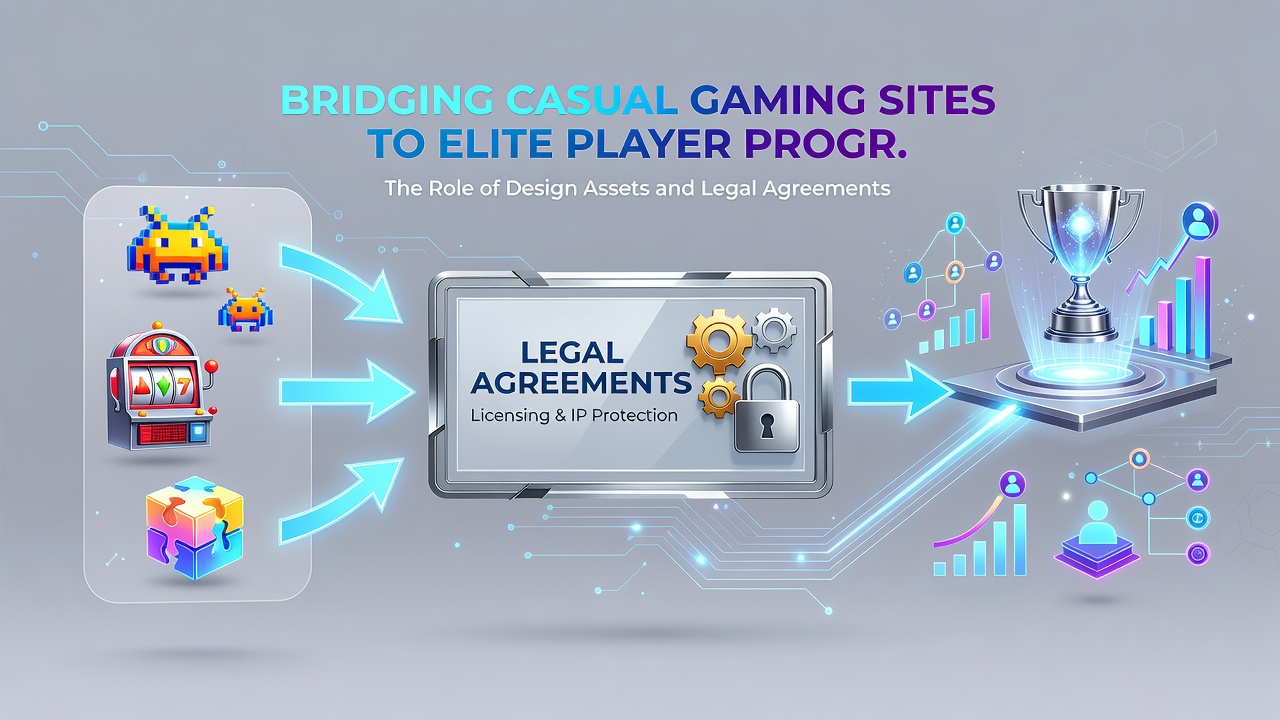
One documented case involved a North American operator that synchronized banner redesigns with revised player contracts, resulting in measurable increases in tier upgrades within three months. The changes included standardized iconography that matched definitions appearing in the updated agreements, allowing players to visualize requirements like minimum monthly activity levels through the same graphical language used in the formal documents.
Regulatory Context Across Regions
Authorities in Nevada maintain oversight of promotional materials and contract disclosures through the Gaming Control Board, requiring that design assets accurately represent terms contained in player agreements. Similar standards appear in Australian regulatory frameworks, where research from the Australian Gambling Research Centre has examined how visual consistency affects player understanding of loyalty structures. These approaches demonstrate that alignment between assets and agreements supports compliance across different jurisdictions while facilitating smoother movement from casual entry points to elite programs.
Industry reports further show that operators who align design systems with legal text experience fewer compliance reviews because promotional claims match documented eligibility rules. This alignment proves especially relevant for cross-border platforms that must satisfy multiple regulatory bodies simultaneously.
Conclusion
Design assets and legal agreements together create structured routes that connect casual gaming activity with elite membership benefits, relying on visual continuity and clearly defined contractual terms to maintain player trust and regulatory compliance. As platforms continue to refine these elements through 2026 and beyond, the emphasis remains on ensuring that graphical prompts accurately reflect the obligations and advantages set out in governing documents.