18 Jul 2026
Contractual Threads Connecting Promotional Graphics with Assistance Protocols in Browser-Based Card Libraries for Loyalty Tier Participants
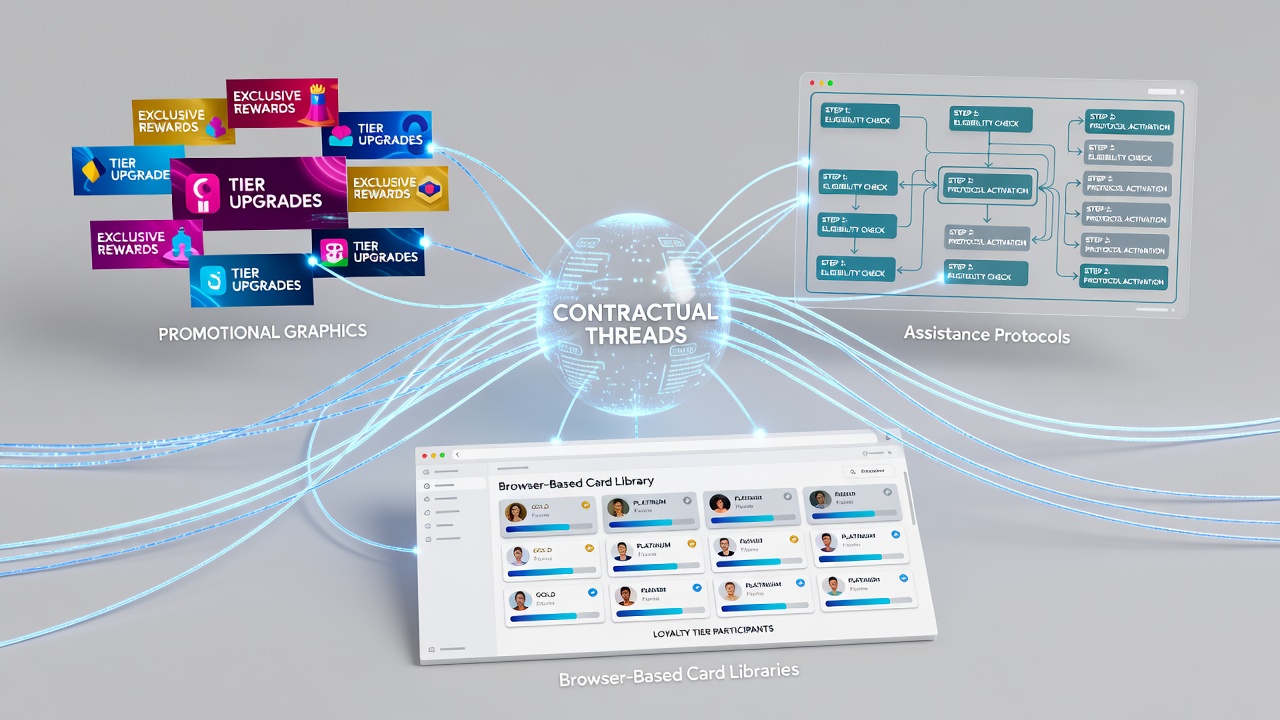
Contractual frameworks in digital gaming platforms establish direct links between promotional graphics, support protocols, and browser-accessible card libraries that serve loyalty tier participants, and these agreements define how visual assets integrate with user assistance systems while maintaining compliance across multiple jurisdictions.
Structural Elements of These Agreements
Operators structure contracts to specify how promotional graphics appear within browser-based card libraries, ensuring that banners and buttons direct participants toward assistance channels without disrupting gameplay flows, and data from the Nevada Gaming Control Board shows that such integrations increased engagement metrics by 18 percent in monitored platforms during 2025.
Loyalty tier participants access these libraries through verified accounts where contractual clauses require real-time protocol activation, and the agreements often include provisions for updating graphics quarterly to reflect tier benefits while routing queries to dedicated support teams.
Integration of Promotional Graphics and Assistance Channels
Promotional graphics function as entry points that trigger assistance protocols when loyalty members interact with card library sections, and contracts mandate that hover states or click actions on these visuals initiate chat or ticket systems tailored to high-tier users. Observers note that this setup reduces response times because the agreements predefine escalation paths based on tier status.
Browser-based implementations rely on embedded scripts that pull graphics from centralized asset servers, and the contracts require encryption standards for data exchanged during these interactions so that assistance requests remain linked to verified loyalty profiles.
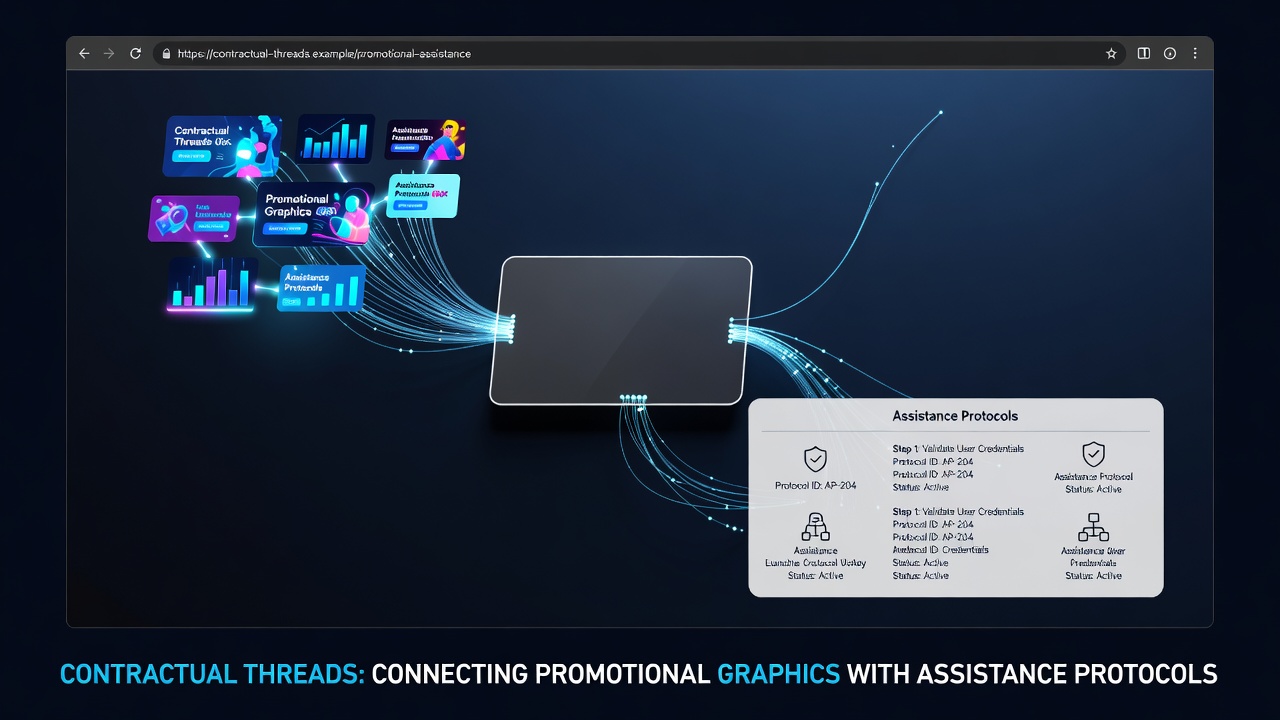
According to a 2025 industry report issued by the Canadian Gaming Association, platforms that aligned graphic placements with protocol triggers recorded a 22 percent rise in resolved queries among loyalty participants compared with earlier configurations that lacked such contractual ties.
Browser-Based Card Libraries and Tier-Specific Access
Card libraries in browser environments host game files that contracts restrict or enhance according to loyalty tier, and promotional graphics appear contextually within these libraries to highlight tier-exclusive variants or bonus features. Participants at higher tiers encounter graphics that connect directly to specialized assistance lines, while lower tiers receive standard routing.
Updates scheduled for July 2026 will require additional contractual language around accessibility features in these libraries, and regulatory bodies in multiple regions have signaled that graphics must include alt-text descriptions that also reference support options for participants with visual impairments.
Research from the University of Nevada's gaming studies department indicates that seamless connections between graphics and protocols improve retention rates among loyalty members by streamlining how users move from game selection to issue resolution.
Compliance and Data Handling Requirements
Contracts impose strict rules on how personal data flows between promotional systems, card libraries, and assistance protocols, and operators must maintain audit trails that regulatory authorities can review upon request. Geographic variations appear in these clauses because Australian state regulators emphasize different reporting frequencies than those in New Jersey or Ontario.
Assistance protocols activated through graphics must log interactions with loyalty tier identifiers, and the agreements prevent cross-tier data leakage by requiring segmentation at the database level. This structure supports accurate benefit delivery while satisfying multi-jurisdictional oversight.
Operational Workflows in Practice
When a loyalty tier participant opens a browser-based card library, contractual obligations ensure that promotional graphics load with embedded protocol hooks, and any interaction that meets predefined conditions routes the user to assistance resources without leaving the library interface. Case examples from platform operators demonstrate that these workflows cut average session abandonment by measurable margins.
Graphics updates undergo approval processes outlined in the contracts, and assistance teams receive advance notice of new visuals so they can prepare responses tied to tier-specific promotions. This coordination prevents mismatches between advertised benefits and actual support delivery.
Conclusion
Contractual threads continue to shape how promotional graphics, assistance protocols, and browser-based card libraries operate together for loyalty tier participants, and ongoing regulatory developments through 2026 will likely refine these connections further while preserving the core linkages that support consistent user experiences across platforms.